The Oscars aired last night and although I did not watch it I saw many post on Facebook about Lupita Nyong'o.


She had struggled as a child with accepting her dark skin as a form of beauty. She had daily prayed for light skin. While reading her story I thought about the saying "I am black and beautiful." I knew this phrase was very ancient and seen in ancient script so I searched online to find it to post in response to her story. It led me back to the Song of Solomon.
1 Kings 3:1 says, "And Solomon became allied to Pharaoh king of Egypt by marriage, and took Pharaoh's daughter, and brought her into the city of David, until he had made an end of building his own house, and the house of the Lord, and the wall of Jerusalem round about."
1 The song of songs, which is Solomon's.
2 Let him kiss me with the kisses of his mouth: for your love is better than wine.

 3 Because of the smell of your good ointments your name is as ointment poured forth, therefore do the virgins love you.
The Friends
4 Draw me, we will run after you: the king has brought me into his chambers: we will be glad and rejoice in you, we will remember your love more than wine: the upright love you.
The Bride
 5 I am black, but comely, O you daughters of Jerusalem, as the tents of Kedar, as the curtains of Solomon.

6 Look not on me, because I am black, because the sun has looked on me: my mother's children were angry with me; they made me the keeper of the vineyards; but my own vineyard have I not kept.

7 Tell me, O you whom my soul loves, where you feed, where you make your flock to rest at noon: for why should I be as one that turns aside by the flocks of your companions?
Solomon Speaks
8 If you know not, O you fairest among women, go your way forth by the footsteps of the flock, and feed your kids beside the shepherds' tents.
 9 I have compared you, O my love, to a company of horses in Pharaoh's chariots.
10 Your cheeks are comely, with rows of jewels your neck with chains of gold.
The Friends
11 We will make you borders of gold with studs of silver.
The Bride
 12 While the king sits at his table, my spikenard sends forth the smell thereof.
 13 A bundle of myrrh is my well-beloved to me; he shall lie all night between my breasts.
14 My beloved is to me as a cluster of camphire in the vineyards of Engedi.
Solomon
15 Behold, you are fair, my love; behold, you are fair; you have doves' eyes.
The Bride
16 Behold, you are fair, my beloved, yes, pleasant: also our bed is green.
Solomon
17 The beams of our house are cedar, and our rafters of fir.


She had struggled as a child with accepting her dark skin as a form of beauty. She had daily prayed for light skin. While reading her story I thought about the saying "I am black and beautiful." I knew this phrase was very ancient and seen in ancient script so I searched online to find it to post in response to her story. It led me back to the Song of Solomon.
 |
The miraculous icon of
Our Lady of Czestochowa,
Queen of Poland
|
 |
The Blessed Virgin
Mary Lady of Czestochowa, Poland
|
1 Kings 3:1 says, "And Solomon became allied to Pharaoh king of Egypt by marriage, and took Pharaoh's daughter, and brought her into the city of David, until he had made an end of building his own house, and the house of the Lord, and the wall of Jerusalem round about."
Song of Songs
American King James Version1 The song of songs, which is Solomon's.
2 Let him kiss me with the kisses of his mouth: for your love is better than wine.

 3 Because of the smell of your good ointments your name is as ointment poured forth, therefore do the virgins love you.
The Friends
4 Draw me, we will run after you: the king has brought me into his chambers: we will be glad and rejoice in you, we will remember your love more than wine: the upright love you.
The Bride
 5 I am black, but comely, O you daughters of Jerusalem, as the tents of Kedar, as the curtains of Solomon.
 |
| Lupita Nyong'o 12 Years a Slave |

6 Look not on me, because I am black, because the sun has looked on me: my mother's children were angry with me; they made me the keeper of the vineyards; but my own vineyard have I not kept.

7 Tell me, O you whom my soul loves, where you feed, where you make your flock to rest at noon: for why should I be as one that turns aside by the flocks of your companions?
Solomon Speaks
8 If you know not, O you fairest among women, go your way forth by the footsteps of the flock, and feed your kids beside the shepherds' tents.

 |
The Friends
11 We will make you borders of gold with studs of silver.
The Bride
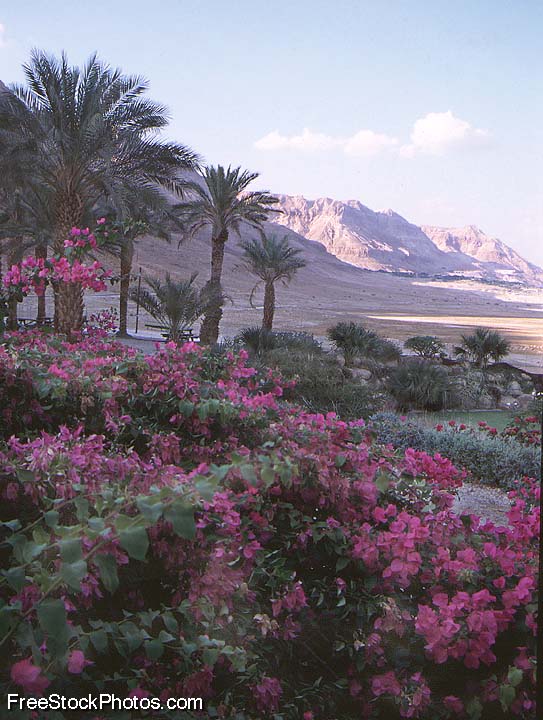 12 While the king sits at his table, my spikenard sends forth the smell thereof.
 13 A bundle of myrrh is my well-beloved to me; he shall lie all night between my breasts.
14 My beloved is to me as a cluster of camphire in the vineyards of Engedi.
Solomon
15 Behold, you are fair, my love; behold, you are fair; you have doves' eyes.
 |
| Ka of Osiris When the grain sprouts forth from the earth this then is the 'vital spark', the rebirth taking place. |
The Bride
16 Behold, you are fair, my beloved, yes, pleasant: also our bed is green.
Solomon
17 The beams of our house are cedar, and our rafters of fir.
 |
| Hammer made of cedar from Solomons Temple Constructed in Egypt and given to the Masonic lodge By Mark Twain |

I imagine The Friends as a group of women like in the play Medea with her chorus of Corinthian women. In ancient theatrical productions the main characters were accompanied by chanters or a chorus that would interject commentary through song. At the beginning of the blog are women in Egypt who are often shown playing music or dancing, in the above photo they are smelling perfume.
I imagine The Bride as a dark skinned women with an African heritage adored much like the this modern Ashanti woman in the photo. Some African tribes were well known in ancient times for their gold and gold jewelry.
Perhaps in this play Solomon was much like Jason, an explorer and someone educated in the schools of Egypt who took his knowledge back to his land to profit himself. There is also another Egyptian theatrical reenactments in the book of Solomon, the Stretching of the Cord ceremony which relates to the science of the Egyptian goddess Seshat and building.
Below are pictures of a modern production of Medea whom I conceive of as also from Africa placed on a foreign land having to deal with her differences among the European culture. In her instance it was mainly the misunderstanding of her medicinal pharmacopoeia knowledge as being magic to the ignorant.
In the instance of the Song of Solomon we can find a rich tradition of music and theater among people of the African diaspora. Having been contained within both the Tanakh [Ketuvim (or "Writings")] and Holy Bible shows the importance of this work throughout the ages. In the catholic church this song is used during the Passover. This astrologically being a time associated with Seshat and the ancient Egyptian celebrations. This story of love and passion and the proclamation of a black woman coming into finding her beauty is timeless. And apparently the stuff stars are made of.
I imagine The Bride as a dark skinned women with an African heritage adored much like the this modern Ashanti woman in the photo. Some African tribes were well known in ancient times for their gold and gold jewelry.
Perhaps in this play Solomon was much like Jason, an explorer and someone educated in the schools of Egypt who took his knowledge back to his land to profit himself. There is also another Egyptian theatrical reenactments in the book of Solomon, the Stretching of the Cord ceremony which relates to the science of the Egyptian goddess Seshat and building.
Below are pictures of a modern production of Medea whom I conceive of as also from Africa placed on a foreign land having to deal with her differences among the European culture. In her instance it was mainly the misunderstanding of her medicinal pharmacopoeia knowledge as being magic to the ignorant.
 |
| Medea & Chorus |
 |
| Medea & Jason Production shots from Northern Broadsides Medea |

